This is Woman’s History month and we need to conversate about words which motivate and empower women to excel on a daily basis. In reality we are not always on top of the world and everyday activities can become mundane and draining at times. So this week on “Conversations of A Sistah” I want to talk EMPOWERMENT!!Words that invoke, delight, motivate and EMPOWER you and/or others. I will share my “54 words of empowerment” and I’d like you to do the same.
Join me on the 6:30 p.m. EST for my commentary on “54 Words of Empowerment” and I invite you to drop yours below.. I will also be entertaining your calls in the studio at 1-917-889-7872. Just press “1” for the host Que. Hope to meet you on the air.
All links in this post will access the online show.
For those who are not familiar with Tawatha Agee, she was that soulful, stunning voice on Mtume’s hit single “Juicy Fruit”. Tawatha went on to release more hit singles along side Mtume in circa 1985, finally releasing her own album “Welcome to myDream” in 1987. Of course Agee had a couple of hits spinning from that solo debut. For starters, Thigh High and breakup-to-makeup tribute, No More Tears, they both served as sensual offspring’s from the record.
Afterwards, Agee sang background with the industries most celebrated artist, like Aretha Franklin, Lenny Kravitz, the late icons, Luther Vandross and David Bowie.
Join host Tracy L. Bell at 6:30 p.m. EST on “Conversations OF A Sistah” via blog talk radio as she sits down in our studios with this legendary artist to discuss her upcoming endeavors.
All “links” in this post will access the online show.
Mathew Knowles new book, “Racism from the Eyes of a Child” Colorism, internalized racism, and the effects on our nation’s youth are all trending topics. Young people or some people don’t like embracing their color. And light skin vs. dark skin has always been an issue in the black community. It’s a necessary dialogue about a generation-old taboo and its traumatic after effects.
Music mogul Mathew Knowles has sparked the conversation with his new book,Racism from the Eyes of a Child, which uses the underpinnings of his memoir, growing up in the 50’s-70’s, as a backdrop to lessons about America’s most segregated era.
Join Host Tracy L. Bell at 6:30 p.m. EST on “Conversations Of A Sistah” via blog talk radio, as she sit down in our studios with Mathew Knowles about his newly released book and the discussion it has sparked on social media.
It’s Black History Month and we’re covering all subject matters Black!!
Even history books can confirm how long black people have been in competition with one another. Divided by skin complexion as house and field Negroes, we were forced to create segregation within our own race. Trickling down from generation to generation, black people seem to still embody this desire to compete and tear one another down. Could this be why black people don’t support each other?
The Mexican, Asian and Chinese cultures will come over to the United States and perfect their crafts just to return back to their countries and give back. They continuously support their people in any endeavor they attempt to pursue. Unlike other races where they are prideful of their people no matter what the socio-economic status or difference in skin complexion is, black people rather separate the haves and have-nots within their own race.
Join Host Tracy L. Bell at 6:30 p.m. EST tonight on “Conversations Of A Sistah” via Blog talk Radio for her discussion on “Why Black People Don’t Support Black Businesses?” with her special guest Mr. Daryl Harris (Pictured left above with his 3 brothers). Daryl and his brothers started “4 Kings ArtfulXpressions” as a mission driven company, promoting art in every form and their goal is to set standards of excellence in Art. Located in Paterson, NJ, these brothers are making waves with their African art in many ways.
Religion, particularly Christianity, has played an outsize role in African American history. While most Africans brought to the New World to be slaves were not Christians when they arrived, many of them and their descendants embraced Christianity, finding comfort in the Biblical message of spiritual equality and deliverance. In post-Civil War America, a burgeoning black church played a key role strengthening African American communities and in providing key support to the civil rights movement. African Americans have been faithful to Christianity, yet endured so much and some ask the question, why didn’t God stop the suffering of His people?

 This is Woman’s History month and we need to conversate about words which motivate and empower women to excel on a daily basis. In reality we are not always on top of the world and everyday activities can become mundane and draining at times. So this week on “Conversations of A Sistah” I want to talk EMPOWERMENT!! Words that invoke, delight, motivate and EMPOWER you and/or others. I will share my “54 words of empowerment” and I’d like you to do the same.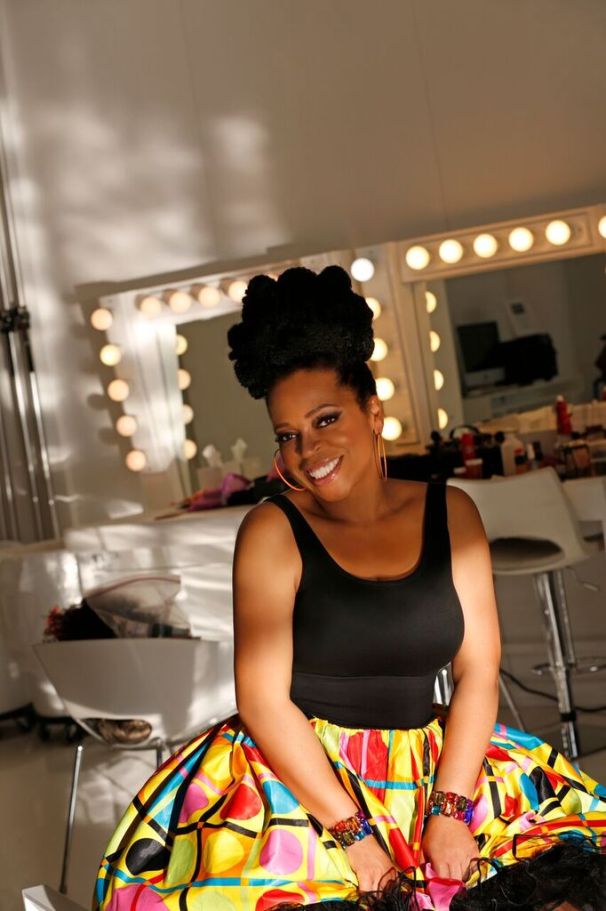
 Mathew Knowles new book, “Racism from the Eyes of a Child” Colorism, internalized racism, and the effects on our nation’s youth are all trending topics. Young people or some people don’t like embracing their color. And light skin vs. dark skin has always been an issue in the black community. It’s a necessary dialogue about a generation-old taboo and its traumatic after effects.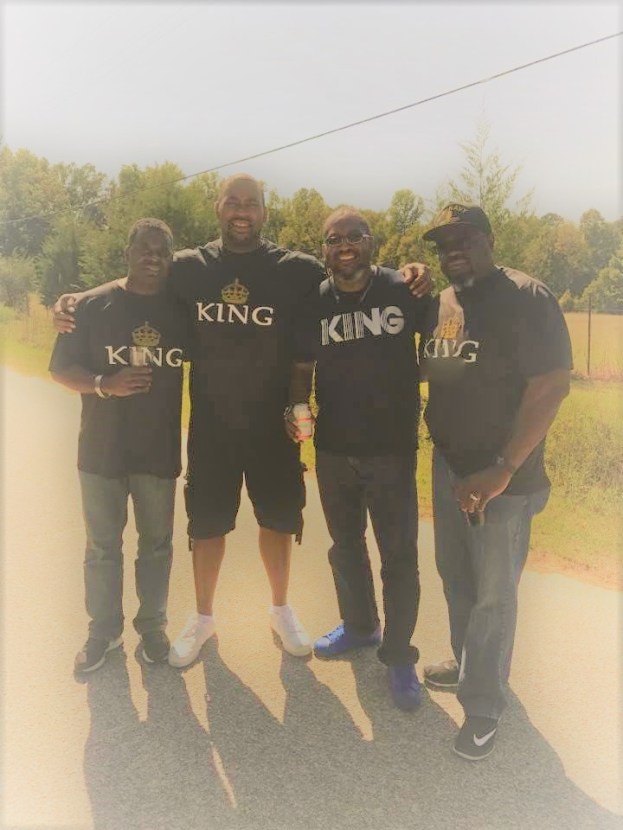
 Religion, particularly Christianity, has played an outsize role in African American history. While most Africans brought to the New World to be slaves were not Christians when they arrived, many of them and their descendants embraced Christianity, finding comfort in the Biblical message of spiritual equality and deliverance. In post-Civil War America, a burgeoning black church played a key role strengthening African American communities and in providing key support to the civil rights movement. African Americans have been faithful to Christianity, yet endured so much and some ask the question, why didn’t God stop the suffering of His people?
 Conversations Of A Sistah